
We work in four ways, because good policy needs more than a report on a shelf.
Focused on creating lasting systemic change, SDCI works across dialogue, accountability, and connection to ensure policy research drives actual reform.
Dialogue Partner
We give the private sector and civil society a credible, neutral table to debate reforms, weigh evidence, and build solutions together.
Watchdog
We use evidence, not noise, to show where systems fall short, push for transparency, and hold institutions accountable to the people they serve.
Connector
We link policymakers with businesses, communities, and international partners so that reforms reflect the people they affect.
Advisory & Research
We undertake commissioned research, program evaluations, and bespoke training for organizations needing independent, rigorous analysis.
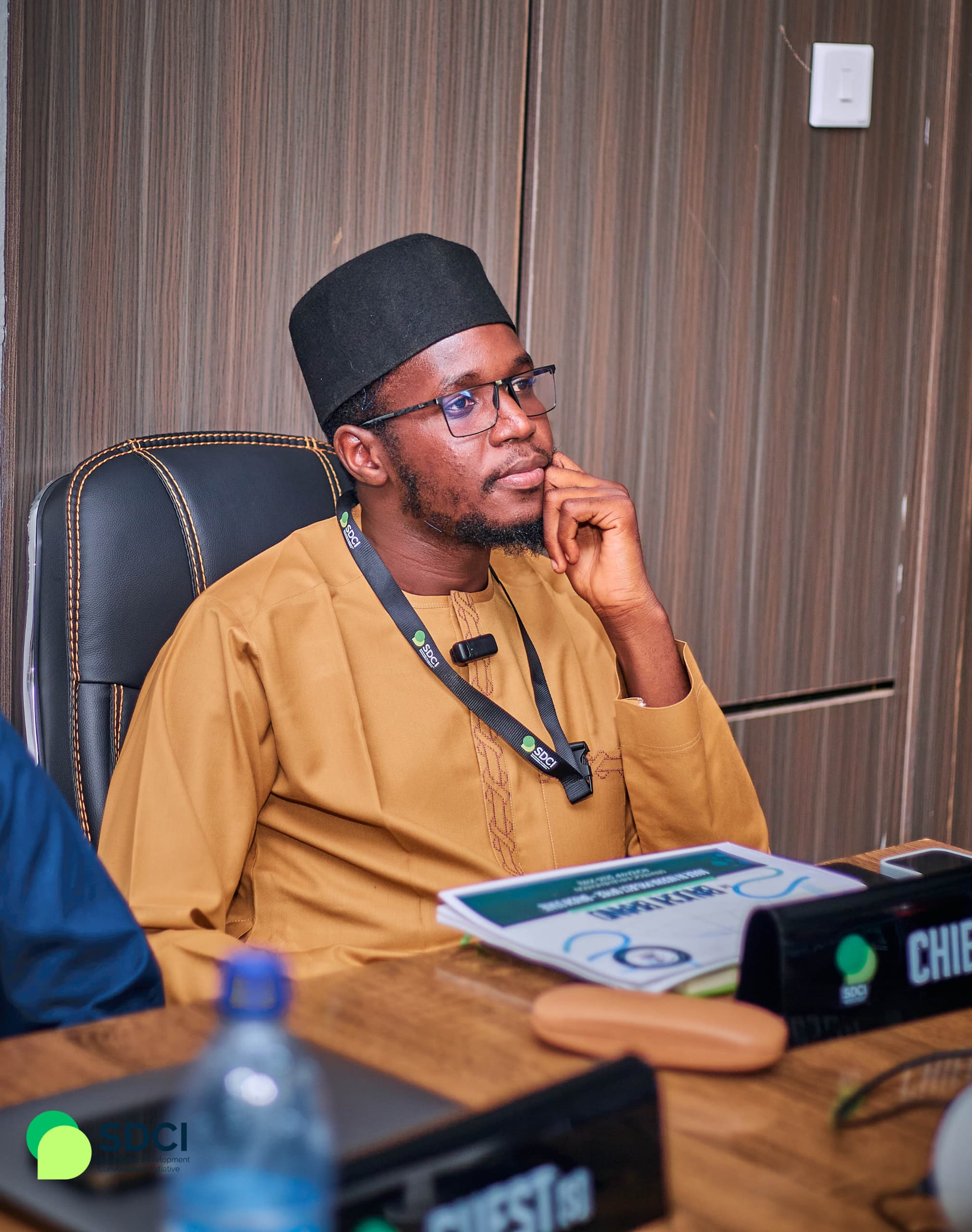
"Every statistic tells a story. Every policy affects a life. Our responsibility is to ensure neither is ignored."
Sulaiman Ahmad Fanty
Chief Executive Officer
SDG-Aligned Areas of Focus
Every conversation we convene, every paper we publish, sits inside the framework of the UN Sustainable Development Goals — connecting our local research to global standards.
Governance & accountability
The transparency and institutional strength that everything else depends on. This is where our Watchdog role lives.

Public finance & the economy
How public money is raised, shared, and spent — and whether it reaches people.
Social development & inequality
Who gets left behind, and what closes the gap.
Health systems
The services and infrastructure that determine life chances and well-being.
Education systems
The learning opportunities and capability building that determine life chances.
Climate & natural resources
Managing the resources today's decisions borrow from tomorrow.

SDCI Official Launch
Saturday, August 15, 2026 · 9:00 AM - 10:30 AM (GMT+1)
Bauchi, Nigeria • Venue: Coming Soon
Join us as the Sustainable Development Conversations Initiative (SDCI) officially launches its mission to strengthen civic participation, promote evidence-based policymaking, and foster accountable governance through citizen engagement.

A Glimpse of SDCI
From the podcast
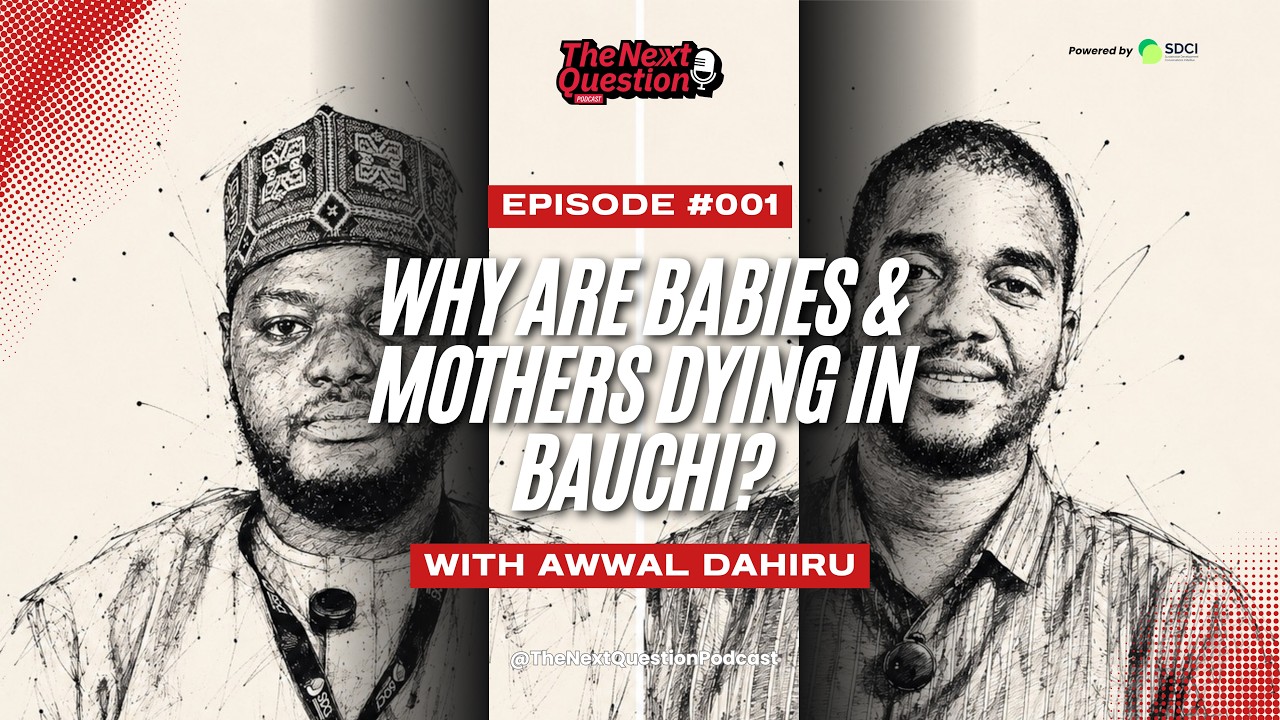
Why mothers and babies are dying in Bauchi State
With Ibrahim Murtala Muhammad, Lead, Stakeholder Engagement & Programs; Awwal Dahiru, IT Lead at CHAMPS Bauchi
See all episodes →Powering decisions with unbiased evidence.
We partner with government agencies, international development institutions, and civil society to deliver bespoke policy briefings, system audits, and capacity-building workshops tailored to the local realities.
Rigorous Local Audits
Independent tracking and assessment of public finance, MDA spending guidelines, and service delivery metrics.
Bespoke Policy Briefings
Custom analyses of local legislative frameworks, state revenue opportunities, and structural reforms.
LGA Alignment Workshops
Direct training sessions to align local government activities with state priorities and UN Sustainable Development Goals.
Frequently asked questions
Quick answers to our research, advisory programmes, and operations.
Get involved
Membership
Join a community of citizens, practitioners, and scholars committed to evidence-led policy in Nigeria.
SDCI is an independent, non-partisan organisation. We accept no funding that compromises editorial independence, intellectual honesty, or research integrity.
Read our funding statement →